
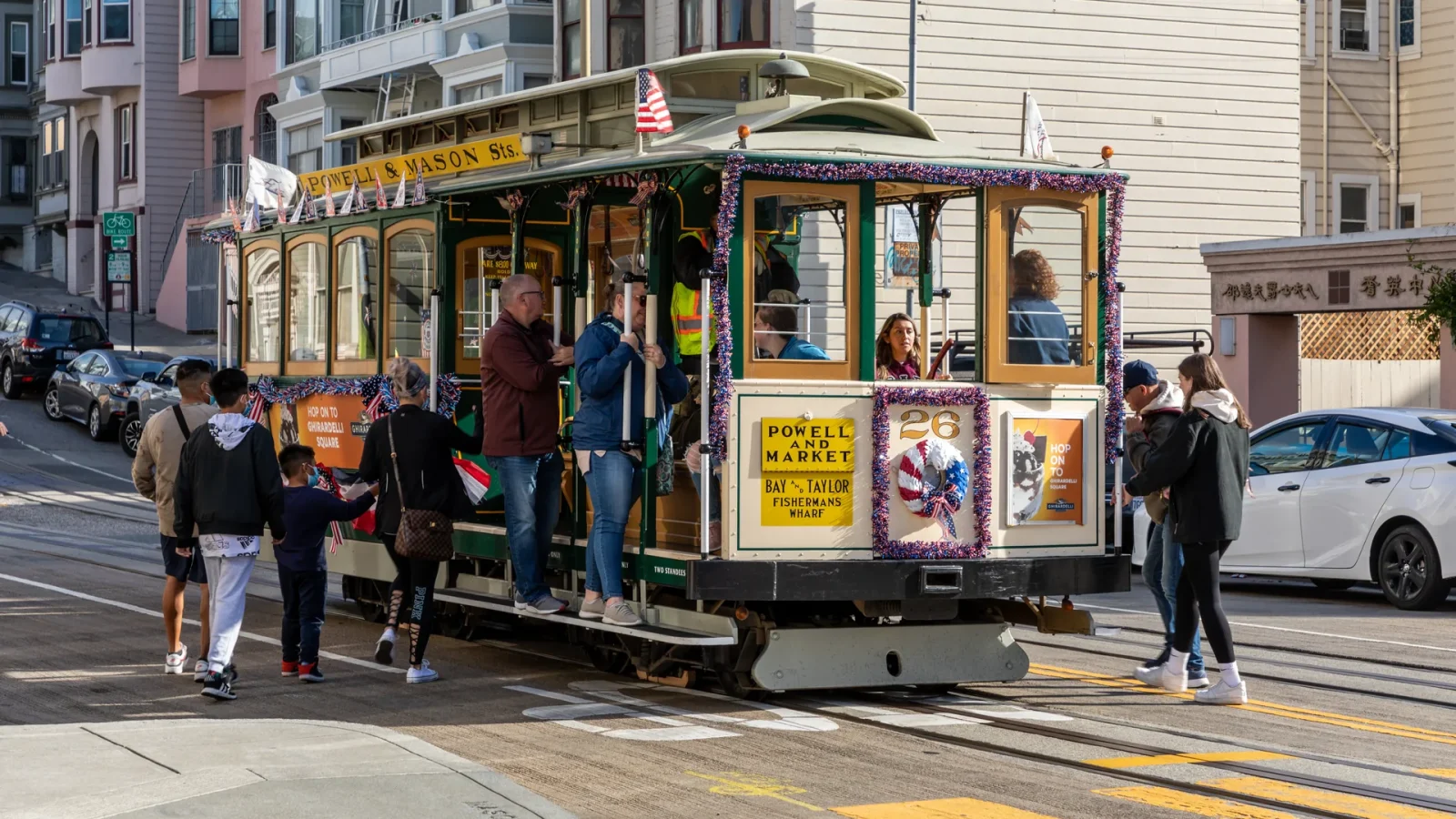
San Francisco’s cable cars make most sense when you read them as working engineering embedded in city streets. The moving cable beneath the roadway, the grip operator’s control, the rails, turntables, grades, stops, and bell signals were responses to a practical problem: moving people over hills that challenged other street transport. They are also part of today’s public transit system, not a ride staged outside the city around it.
A useful cable-car outing therefore begins with a street connection. Decide what you want to understand on either side of the ride, verify the current line and operating information with SFMTA, and let the car clarify the slope between them.

SF: Hop-on Hop-off Sightseeing Tour by Open-top Bus
See San Francisco’s top sights the easy way with Big Bus Tours. We offer the most comprehensive tour with over 17 hop-on hop-off locations spanning...

1 day Hop-on Hop-off in San Francisco 20 stops 8 hours
Experience the perfect way to discover and explore the vibrant City by the Bay with a convenient hop-on hop-off bus tour. This flexible sightseeing op...
Choose the line by the neighborhoods it connects
Do not begin with “Which car is most scenic?” Begin with “Where am I going before and after?” A line that brings you toward a meaningful street, institution, waterfront connection, or manageable descent is more useful than one you must cross the city to board. The route should solve part of your day while giving you a physical sense of the grade.
SFMTA is the authority for current service, fares, boarding instructions, accessibility, and disruptions. Those details can change, so this guide does not reproduce a schedule or price. Check the official cable-car page on the day you travel, especially if timing or access is critical.
Watch the system before you board
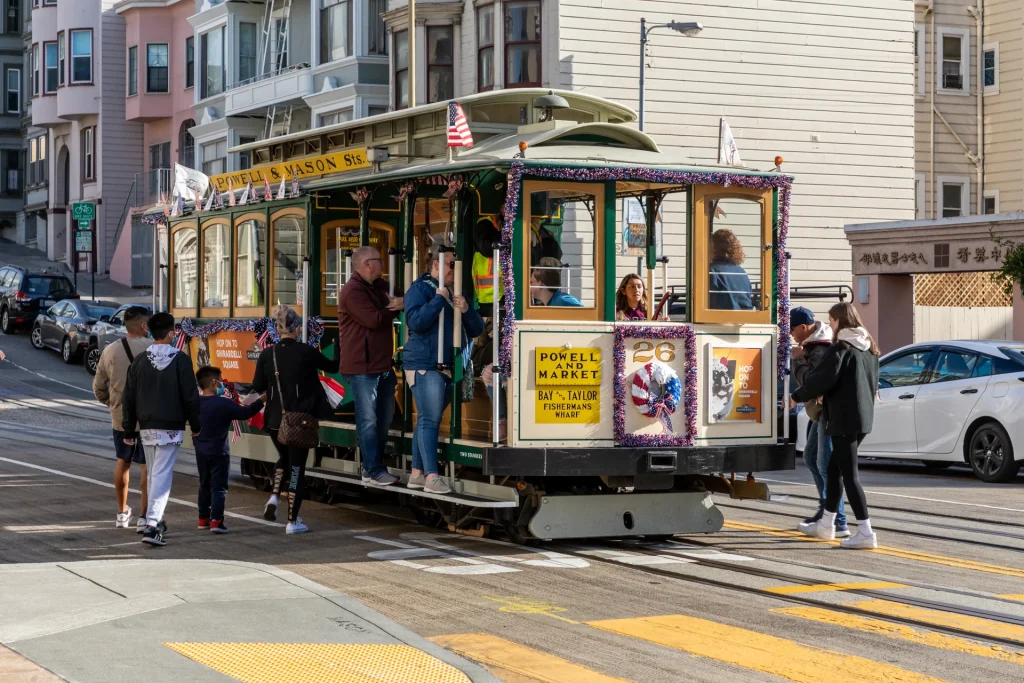
At a terminal or busy stop, spend a moment observing. Notice where the queue begins, how staff direct passengers, where people leave the car, and how the vehicle changes direction. Keep boarding areas and sidewalks clear. If you want a photograph, take it from a place where you are not delaying work or stepping into traffic.
The mechanical rhythm is part of the experience. A grip engages or releases the moving cable; braking systems manage the grade; the operator reads traffic and the track; conductors help manage passengers and fares. The bell communicates in a street already full of sound. Knowing that makes the ride more interesting than treating the car as a moving photo prop.
Ride with ordinary transit etiquette
- Follow the crew’s instructions about boarding, standing, handholds, bags, and exits.
- Keep aisles and controls clear, and do not lean out for a photograph.
- Offer space to a rider who needs it more and avoid turning another passenger into an unasked-for subject.
- Prepare for wind and temperature changes, even when the lower streets feel mild.
- Confirm access details with SFMTA; historic vehicles and stops do not all work the same way for every rider.
Pair the ride with a downhill reading walk
A cable-car ride gives you elevation without requiring the climb, which makes a measured descent a natural companion. Before committing, inspect the grade and surfaces on a map and choose a walk that matches your comfort. “Downhill” can still be demanding on knees, and wet rails, curb ramps, construction, crowds, and cross-slopes matter.
Use the descent to notice the grid under pressure. Long streets compress in perspective. Bay windows project into narrow visual corridors. Transit wires and rails create parallel lines, then break as the street turns or crests. A patch of water appears, disappears, and returns between buildings. These are the city’s structural details, not background decoration.
Build a compact sequence
- Orient: arrive at the boarding area with enough time to read current instructions without blocking the flow.
- Ride: pay attention to grade, cable sound, intersections, and the crew’s work rather than filming continuously.
- Descend: choose one street-level destination and a manageable downhill connection.
- Release: finish at a direct transit line, level waterfront, or quiet indoor stop.
If the cable car does not fit
A bus, train, taxi, or rideshare can still make the hill legible. The goal is not to complete a ritual; it is to move through the city in a way that works for you. If a queue is long, service changes, weather turns, or the historic vehicle does not meet an access need, take the alternative without treating the day as diminished.
You can also visit the Cable Car Museum to learn more about the machinery and history, subject to its current official visitor information. Pairing the mechanical story with an ordinary street ride often gives the system greater depth.
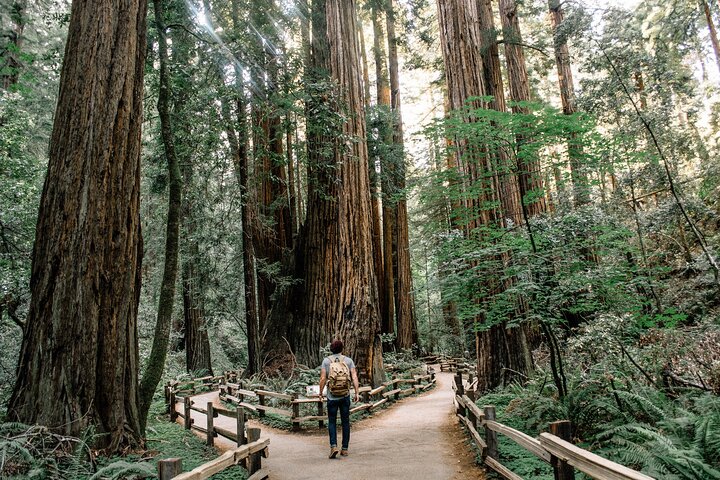
San Francisco, Muir Woods, Sausalito and Optional Alcatraz Tour
Discover San Francisco, Muir Woods, and Sausalito with the option to add tickets to Alcatraz! Join a small group to...

Alcatraz Inside Access Ferry and Audio Tour with Night Option
Explore Alcatraz Island like never before with this exclusive package that includes official admission and round-tri...
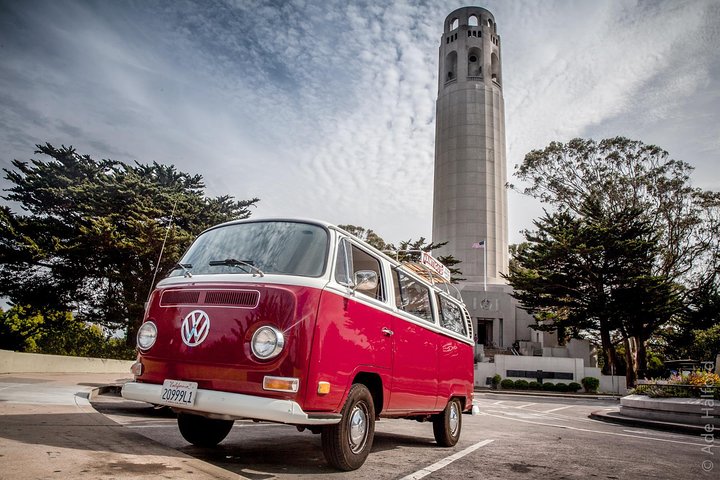
Vantigo - The Original San Francisco VW Bus Tour
Looking for an authentic San Francisco experience? Trade the tour bus for a vintage Volkswagen van that easily navig...
Official check before departure

San Francisco Love Tour
For an unforgettable City Sightseeing tour, hitch a ride in a 1970's VW Hippie bus. This is an authentic and unique...

Muir Woods and Sausalito Small Group Tour
This tour will visit Muir Woods and Sausalito. Note that this tour includes the Muir Woods entrance fee. We provide...

Muir Woods and Sausalito Tour (Return by Bus or Ferry)
Take time out from San Francisco on a half-day trip to Muir Woods National Park and Sausalito. This enthralling ha...
SF: Hop-on Hop-off Sightseeing Tour by Open-top Bus
See San Francisco’s top sights the easy way with Big Bus Tours. We offer the most comprehensive tour with over 17 hop-on hop-off locations spanning...
Use the SFMTA cable-car page for current lines, service, fares, boarding, and accessibility. For historical context, see SFMTA’s cable-car history. Avoid third-party summaries when a live operational choice matters.